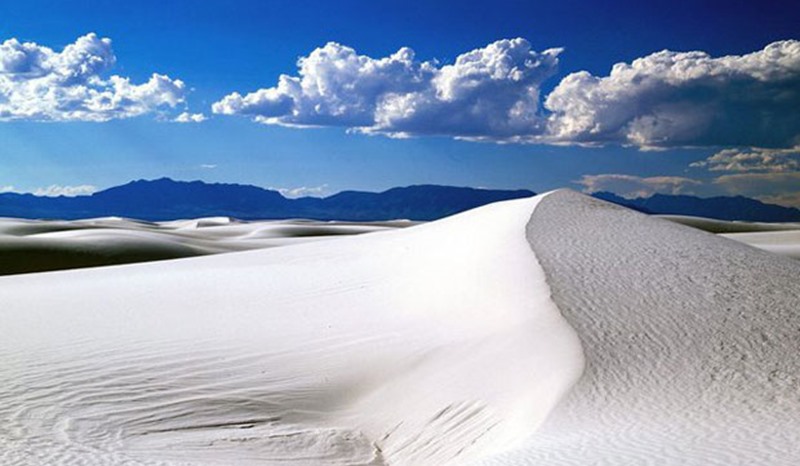
Egypt’s Western Desert holds a particular kind of quiet that you do not find anywhere else. It is not silence exactly, but something deeper. The vastness of the landscape, the ancient geological formations, and the small communities that thrive in this remote region create an atmosphere unlike anywhere else in the country. If you have been thinking about desert travel, it is worth understanding what makes this region worth the journey and how best to approach it.
Travel to Egypt’s desert interior is fundamentally different from visiting Cairo or the Nile Valley. There are fewer crowds, fewer immediate services, and far more space between you and the everyday world. For many travelers, this is precisely what makes it appealing. You are moving through terrain that has shaped human experience for thousands of years, and that awareness changes how you move through it.
Understanding the Geography and What to Expect
Siwa and the White Desert are not interchangeable destinations, though they often appear together in travel planning conversations. They occupy different territory, have different characteristics, and offer different experiences. Understanding the distinction helps you plan what actually fits your interests.
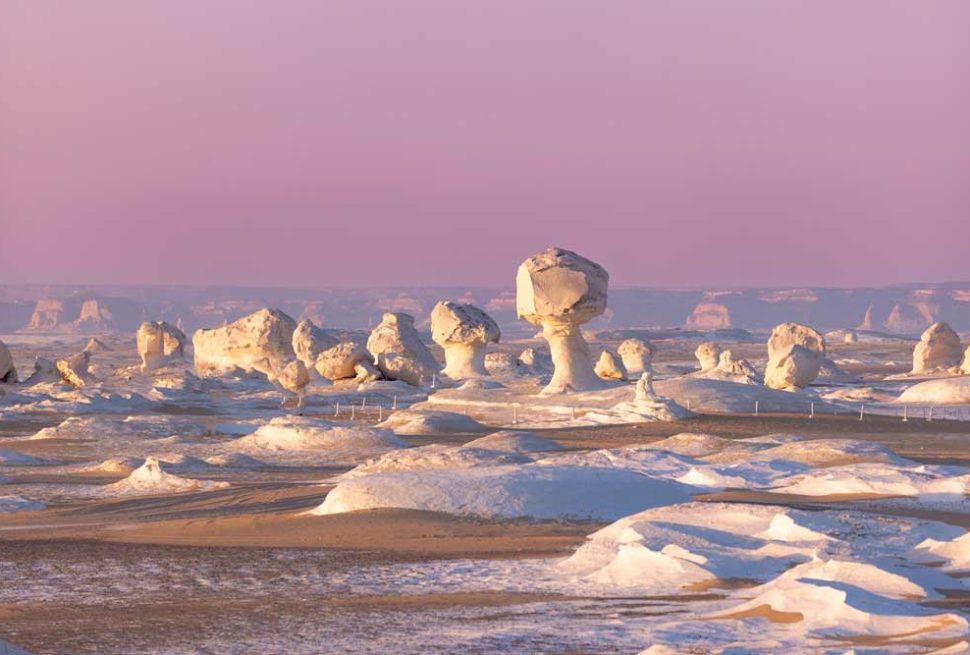
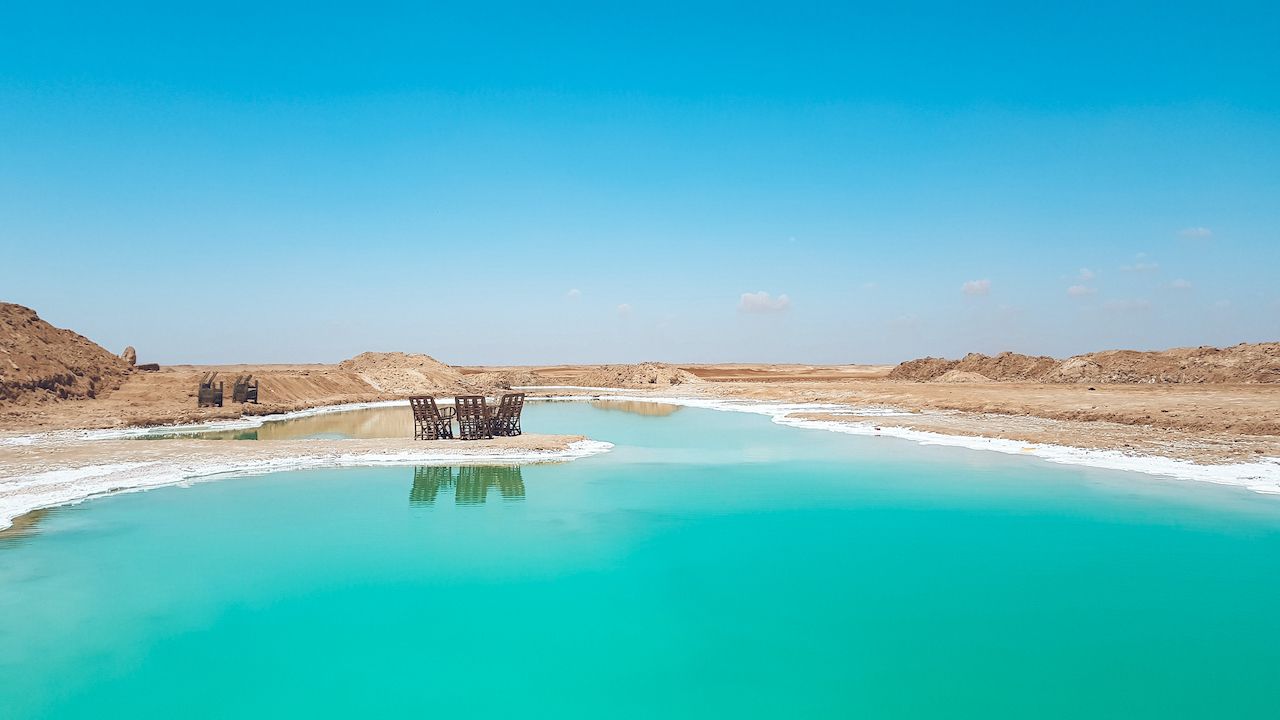
A siwa oasis and white desert tour combines two distinct environments. Siwa itself sits as an island of green in an enormous stretch of sand and stone, a place where salt lakes meet date palm groves and the architectural heritage of the Siwan people remains visible in the structures of daily life. The White Desert, by contrast, is a landscape of chalk formations sculpted by millions of years of geological processes. The rocks here have been wind carved into shapes that can feel almost architectural in their precision.
The drive from Cairo to Siwa takes between eight and ten hours depending on route and conditions. This is not a rush. Your body adjusts during the drive. The scenery changes gradually from semi-urban to agricultural to truly remote. When you arrive, that shift feels earned. Many travelers book organized tours specifically to avoid navigating checkpoints and unfamiliar roads, and this is practical planning rather than a lack of adventure.
Choosing Your Travel Timing
Season matters significantly for desert travel. The Western Desert in summer reaches temperatures that make outdoor activity genuinely difficult. November through March offers the most comfortable conditions, with daytime temperatures in the range of 18 to 25 degrees Celsius. Nighttime temperatures can drop substantially, sometimes near freezing in deep winter, so you will want layers even during desert camping.
A white desert day tour from Farafra allows flexibility if your schedule is limited. It is possible to see the key formations and geological sites in a concentrated period. However, if you have the time for an overnight or multi-day experience, the landscape reveals itself differently. The quality of light changes throughout the day. At sunrise and sunset, the white formations take on colors you will not experience during midday brightness.
Building a Realistic Itinerary
Practical travel through this region means accepting what the logistics are. You will travel by 4×4 vehicle because the terrain demands it. Your guides will likely be Bedouin locals who know the landscape through lived experience rather than training. Accommodations range from basic guesthouses in Siwa town to desert camps with prepared tents and sleeping gear. None of this is luxury in the conventional sense. It is functional comfort designed for desert conditions.
The combination of siwa oasis and white desert tour can stretch across several days, but it can also be condensed. The key is matching the itinerary to your actual fitness level, interests, and tolerance for long vehicle journeys. Some travelers want deep cultural immersion in Siwa. Others prioritize the landscape experience. A good tour operator listens for this distinction and adjusts accordingly.
Preparing Yourself Appropriately
Desert travel requires attention to hydration, sun protection, and realistic expectations about amenities. Bring water in quantities that feel excessive. Bring sunscreen that feels excessive. The dryness of the desert air means dehydration happens almost invisibly. Your skin will feel it. Your energy will feel it. Preventive care is far simpler than dealing with the consequences.
Travel in the Egyptian desert is entirely possible for people of varying fitness levels. It is not mountaineering. It is not extreme sport. It is movement through a remarkable landscape at a pace that allows observation and absorption. That, in the end, is what makes the journey worthwhile.